

With the development of technology, increased environmental awareness, and the impact of the COVID-19 pandemic, our daily lives have undergone tremendous changes. These changes are also reflected in lifestyle trends and have had a new impact on interior design. As the quality of life continues to improve, our needs for living spaces are gradually shifting from simple aesthetic pursuits to a greater emphasis on practical needs related to quality of life. So what are the mainstream aesthetics and designs today?
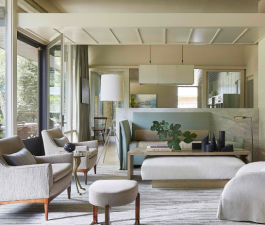
Before choosing a decorating style, the first question you should ask yourself is: What is your lifestyle?
Based on family structure:
- For single people or young couples seeking simplicity, practicality, and ease of maintenance, modern minimalism and Scandinavian styles are often good choices.
- For multi-generational families, it's necessary to consider the lifestyle habits of different age groups. Light French and Neo-Chinese styles can find a balance between comfort and a sense of occasion.
- Families with children or pets should pay special attention to material selection. Avoid styles like pure white cream that easily show dirt; instead, choose durable materials and more vibrant color schemes.
Based on lifestyle habits:
- If you frequently cook at home, be cautious when choosing a style dominated by an open kitchen. Prioritize easy-to-clean tiles paired with a powerful range hood.
- If you're obsessed with organization, modern minimalism and the Japanese MUJI style, with their hidden cabinet designs, you can perfectly meet your needs.
- If you often entertain friends at home, you'll need an open social space; if you work from home, you'll need to leave enough room for your study or workspace.
When you clarify your lifestyle from these perspectives, choosing an interior design style is no longer a blind pursuit, but a journey of self-reflection.
Renovation Trends
De-Household Chores – A Fundamental Restructuring of Design as a Service
In terms of storage, focus on ease of use rather than cramming in capacity. Efficient storage shouldn't be about simply piling up space, but about ease of use, reducing the mental effort required to put things away. In terms of cleaning, eliminate hard-to-reach areas. Ensure robot vacuums can easily access the space under furniture, and minimize gaps between recessed or uneven backsplashes and cabinets to prevent dust accumulation. In terms of materials, prioritize stain resistance and durability. Material selection must balance visual appeal with long-term durability. True sophistication lies in materials maintaining their cleanliness and beauty over extended use. In terms of workflow, minimize inefficient movements. For example, in the kitchen, optimizing the layout of the refrigerator, sink, and stove creates an efficient golden triangle work area, shortening the distance traveled for washing, chopping, and cooking.
De-living Roomization – Returning Space Function to the Resident's Core Values
The traditional living room's "TV + sofa + coffee table" trio is being redefined by young people. Projectors, rugs, side tables, and full-wall bookshelves are becoming mainstream alternatives. The core driving force behind this trend is that the function of the home is shifting from "hosting guests" to "self-indulgence.
Self-Cultivation – From "Following Trends" to "Self-Expression"
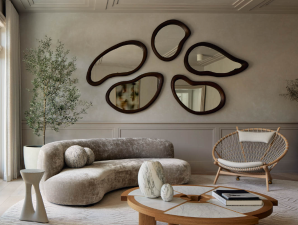
In terms of aesthetic expression, home design is moving away from following trends and towards diverse self-expression. The Aalto style and vintage colors are making a strong comeback, with natural materials, curved designs, and flowing light and shadow becoming mainstream. In the realm of diverse co-living environments, pet-friendly and child-friendly designs are transitioning from "bonus features" to "standard features."
Meanwhile, the "Hostingcore" style, recently trending on platforms like TikTok, is also noteworthy. Embracing the warmth and social aspects of home with an anti-refined approach, it emphasizes that home is not a "showroom" but a haven where one can "feel at ease and confidently entertain friends." This style's explosive popularity is no accident; it precisely taps into contemporary people's dual psychological needs for a relaxed lifestyle and social belonging.
Future Interior Design Trends
Multifunctional Spaces Supporting Flexible Work
In recent years, more and more people have started working remotely, and working from home has become the norm. Against the backdrop of this trend towards flexible work-life balance, interior design places greater emphasis on the multifunctionality of spaces. Take the living room as an example: it needs to accommodate multiple activities simultaneously, such as work, relaxation, and holiday gatherings. To adapt to this lifestyle, furniture layout, storage solutions, and practicality become particularly important. For instance, while sofas and other furniture were typically arranged around the television in the past, future designs will favor those that allow for easy seating from any direction. Therefore, living rooms will gradually transform from traditional styles into more flexible and multi-functional spaces.
Furthermore, creating a stress-relieving and relaxing environment in such a multi-functional space is more important than ever. Introducing natural light, incorporating greenery, and choosing warm and soft color schemes can create a pleasant and comfortable atmosphere.
Interior Design Transformation Driven by Increased Sustainability Awareness
2025 can be considered the year when environmental awareness and sustainable lifestyles truly take root. This shift has also profoundly impacted the field of interior design, giving rise to a series of new trends, such as the use of sustainable materials, the adoption of environmentally friendly design concepts, and products that enhance user satisfaction in daily life. Here, we will explore the changes in interior design brought about by a deepening focus on sustainability. What is the concept of sustainability changing interior design?
The use of sustainable materials is becoming increasingly important in interior design. There is a growing interest in designing with recyclable and other environmentally friendly materials, and many products are being developed with greater emphasis on reducing waste and environmental burden. The integration of sustainable materials has become a key element of interior design. For example, furniture and interior products are not only environmentally friendly but also possess a natural texture and warmth, creating a healthy and natural living space. Furthermore, eco-friendly furniture typically uses high-quality and durable materials, offering the advantage of long-term use.
As people's focus on sustainable development deepens, natural design and natural materials are receiving increasing attention. Designs utilizing the inherent texture and raw charm of natural materials such as wood and stone are becoming increasingly popular. A recent trend is the integration of outdoor design elements into interiors, creating a natural and harmonious spatial atmosphere through the organic fusion of indoor and outdoor elements.
This interior design, incorporating new values, provides strong support for creating comfortable and sustainable living environments.
The Integration of Digital Technology and Interior Design
The development of digital technology has injected new charm into interior design. By integrating digital signage, such as wall displays, digital art installations, and LED displays, interior environments can now present entirely new visual experiences. Traditionally, digital signage and large displays have primarily been used to convey practical information or attract content, but they often disrupt the overall aesthetic of the space.